Stay Up To Date
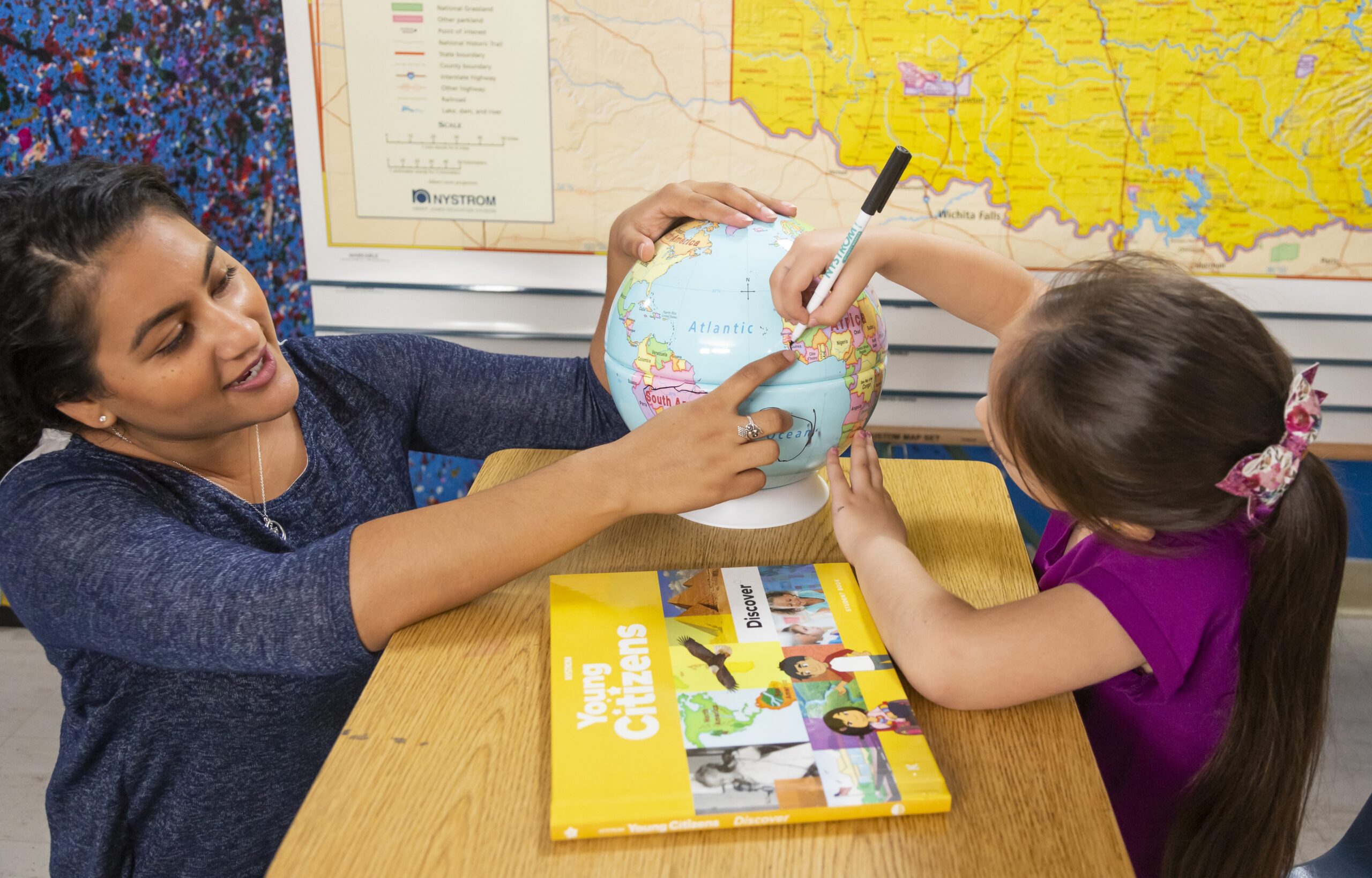
Nystrom Young Citizens: What You Need to Know, Best Practices, and More
Nystrom Young Citizens is a full K-5 social studies that sets the foundation for students to learn key social studies themes.

Leading Through Change: How School Administrators Can Build Resilient Learning Communities
If there’s one constant in education, it’s change.

Empowering Financial Decision-Makers: Applying Behavioral Economics in the Classroom
We’ve all seen it – we teach students the mechanics of checking and savings accounts, but still they struggle with impulse buys and the influence of social media ads.

8 Must-Have Lesson Tools Every Social Studies Teacher Should Use
Teaching social studies in 2025 means going beyond textbooks and bringing history, civics, geography, and economics to life in creative, engaging ways.
From Data to Decisions: Using an MTSS Framework to Drive Equity and Student Achievement
In today’s education landscape, data is everywhere—standardized assessments, classroom-based progress monitoring, attendance records, behavior reports, and more.
Show What You Know: Bring Learning Together Through Processing Assignments
Think about this: every day, we engage in tasks that require the use of key 21st century skills—or the four Cs—critical thinking, creativity, communication, and collaboration.

Decision Making in U.S. History Lesson: The Smoot-Hawley Tariff
One of the most interesting policy questions in 2025 is the tariff.
7 Headlines That Shaped the World: Teaching Current Events Through a Historical Lens
In social studies classrooms, connecting the past to the present is more than a teaching strategy—it’s a way to make history meaningful.
The History of Public Schools in the United States
Public education has long been considered one of the bedrocks of American democracy.