Stay Up To Date

4 Reasons to Read Aloud in the Social Studies Classroom
When educators think about reading aloud to students, they often picture circle-time in an elementary classroom where a teacher reads a short story to the class.

Six Essential Literacy Skills that Only an Atlas Can Provide
Ask any teacher in any discipline at any grade level and they will tell you that literacy is one of their biggest concerns and challenges.

Building Background Knowledge: Helping English Learners Access Social Studies Curriculum
According to recent surveys, at least 55% of classroom teachers have one or more English Language Learners (ELLs) in their classroom.

Teach Students Media Literacy with Historical Sources
Internet ads, YouTube videos, social media posts, blogs, emails, and TV infomercials feature questionable and downright dangerous health advice, treatments, and cures.

Four Recommendations to Support Struggling and Reluctant Readers in Social Studies
Teachers should offer a wide variety of literacy support in their social studies curricula, otherwise students can fall behind.

Engaging Social Studies Students with Vocabulary Words
Vocabulary instruction in social studies is important because it builds background knowledge that is essential when students are assigned to read complex non-fiction texts.
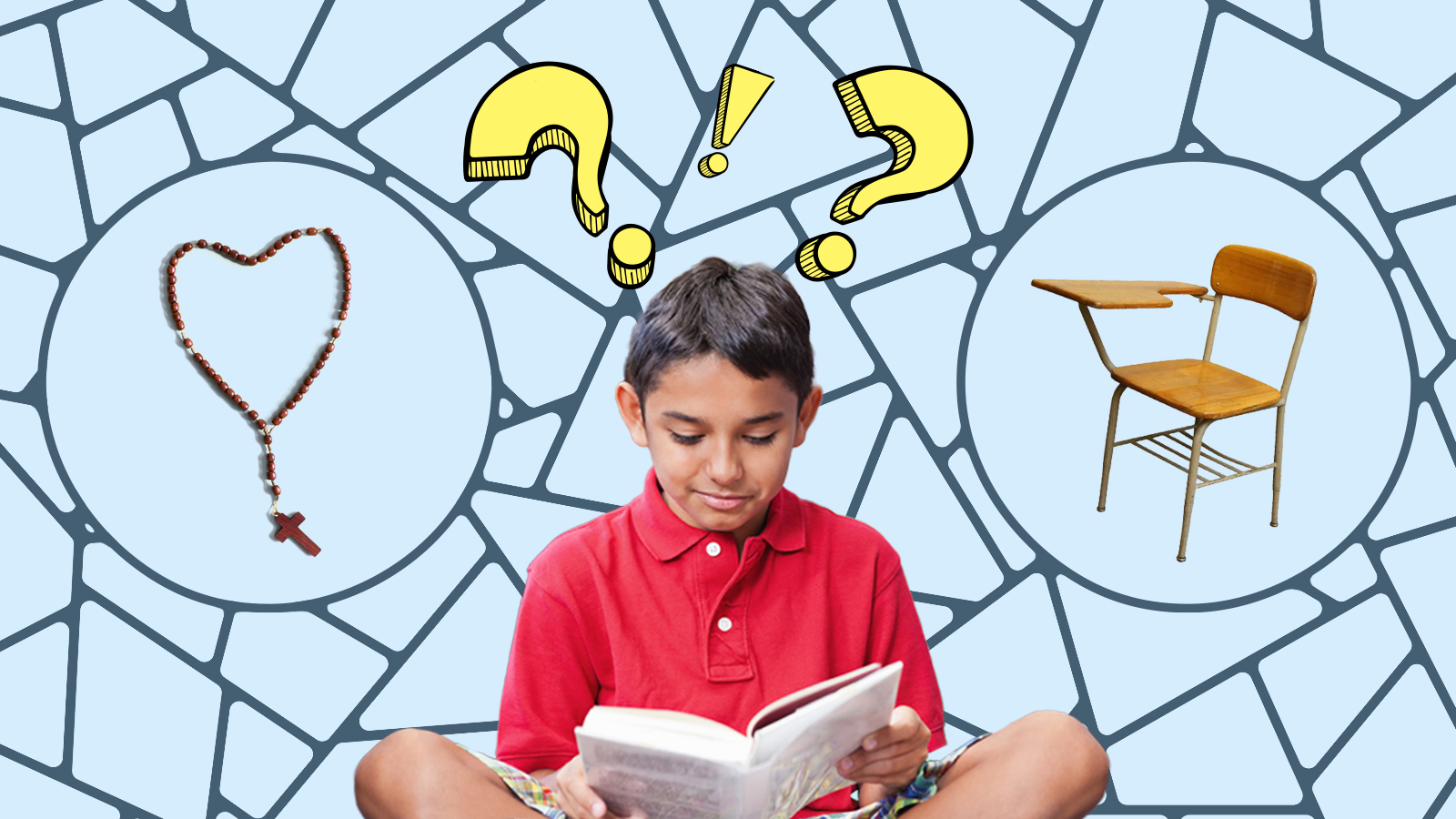
How History and Religion Affect Reading Habits and Practices for Latino Students
There can be no doubt that the level of teaching and learning in your classroom would vastly improve if every single student possessed a high literacy level and a consistent reading habit, both at home and school.

Reading Strategies for Middle School Novels in Social Studies
When I implement a novel study in social studies, there are a few activities that really work for me in terms of aiding student comprehension.
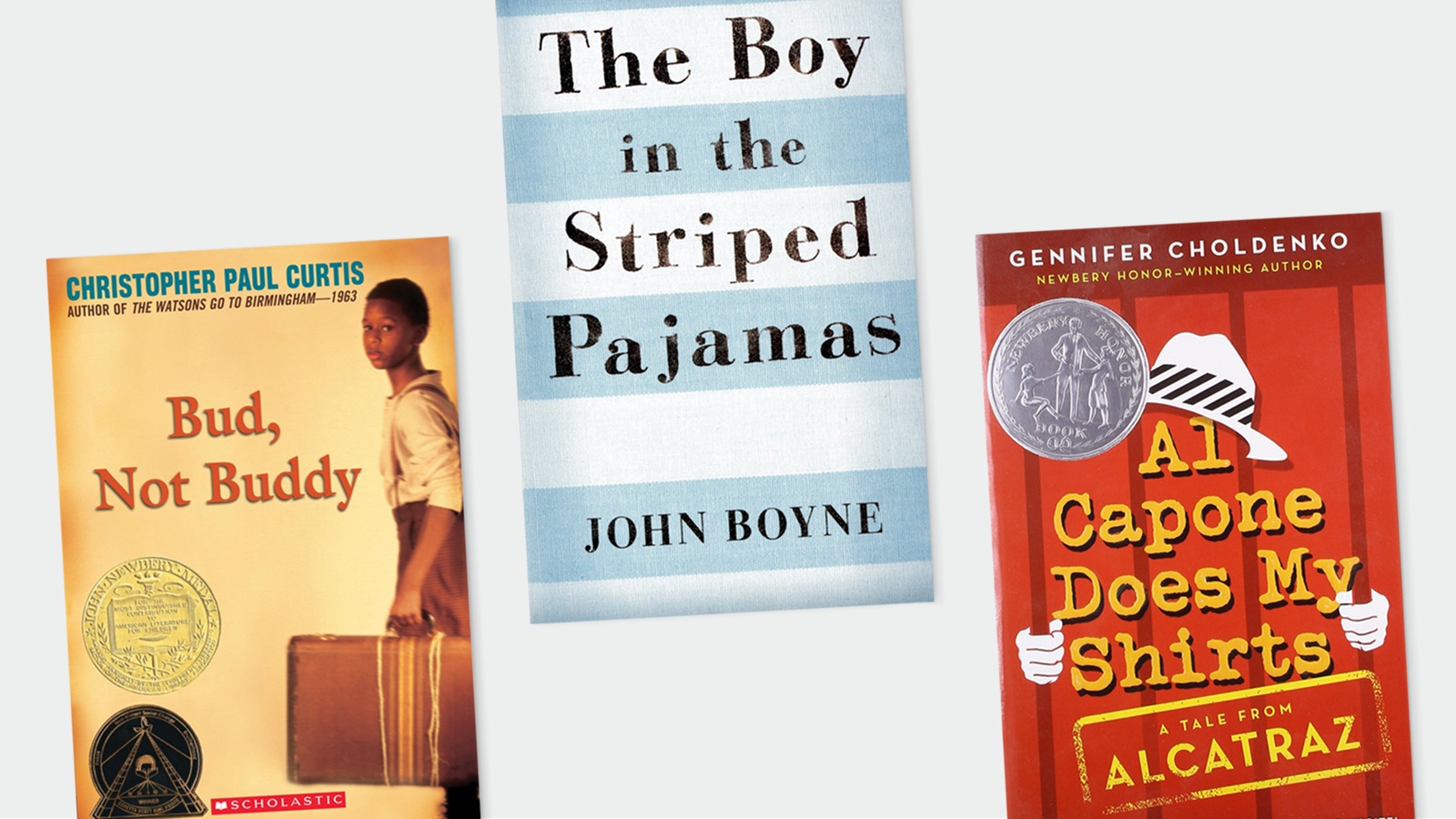
3 Novels to Read with Middle School Students in Social Studies
When I first started teaching history, it was difficult for me to incorporate reading passages in a productive and interesting way.