Stay Up To Date

Give Students A Fresh Perspective on Government: How Catholicism Shaped Latin American Regimes
This article covers the influence of Catholicism in shaping the form and philosophy of government in Latin America, affecting how Latino students and their families think and feel about government.
![Why Do Social Studies Professionals Love Social Studies? [Video]](https://www.socialstudies.com/wp-content/uploads/I-Love-SS-0L.jpg)
Why Do Social Studies Professionals Love Social Studies? [Video]
This year at NCSS (National Council for the Social Studies), we went around asking one question to attendees—”Why do you love social studies?”

Teach Vocabulary for Social Studies Using Systematic Instruction
Teachers frequently offer students multiple ways to learn vocabulary: vocabulary cards, quizzes, drawing, matching activities, and even games.
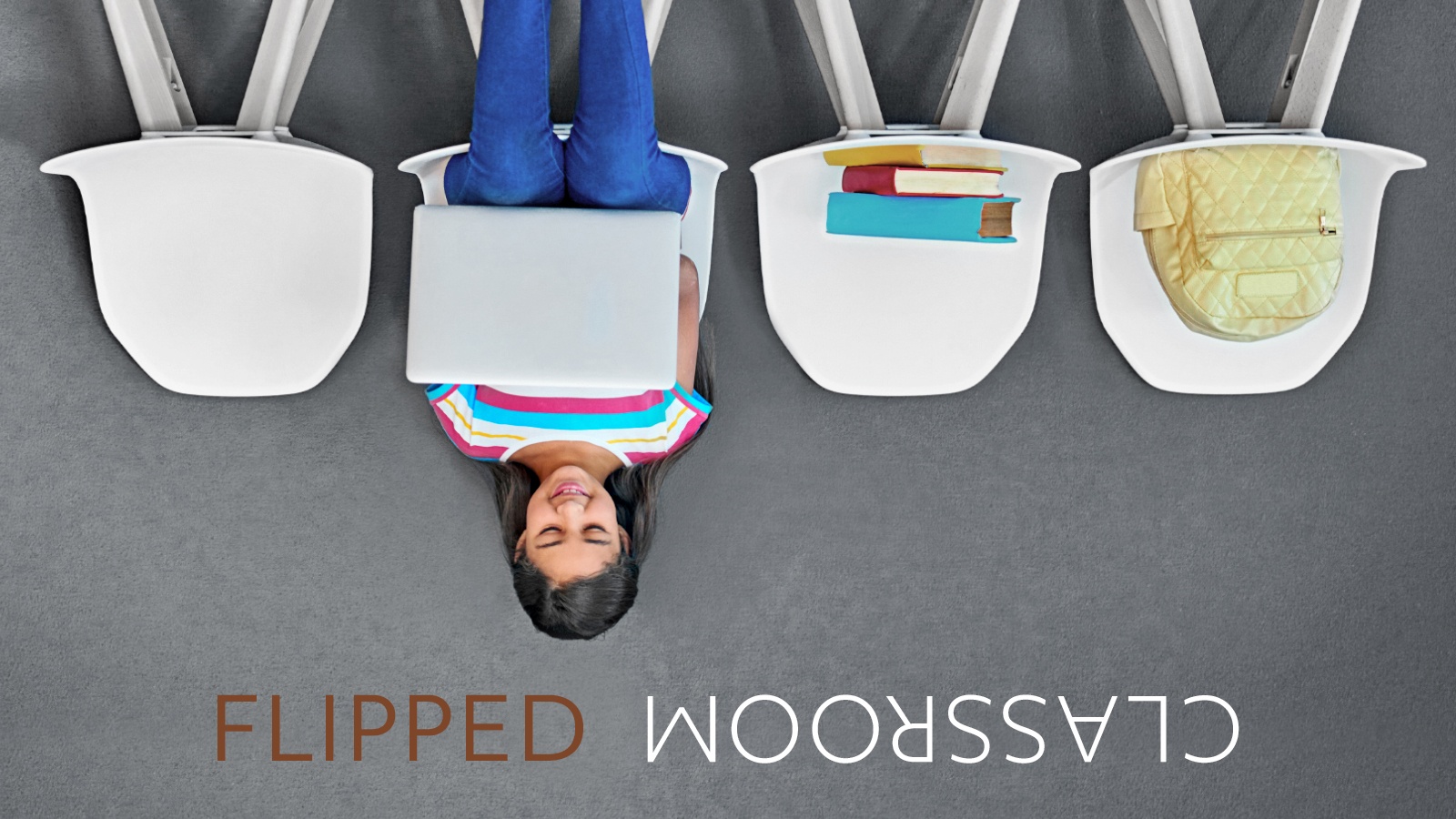
5 Things to Consider Before Flipping Your Classroom
The flipped classroom allows students to build background knowledge outside school, freeing up time for more hands-on learning in the classroom.

How Hispanic Students Can See More of Themselves in the Current Social Studies Curriculum
It’s not a stretch to say that Hispanic/Latino students have an ancestral background in the subjects we teach.
The Importance of Vocabulary Instruction in Social Studies
Few would argue with the importance of vocabulary knowledge in all school subjects.
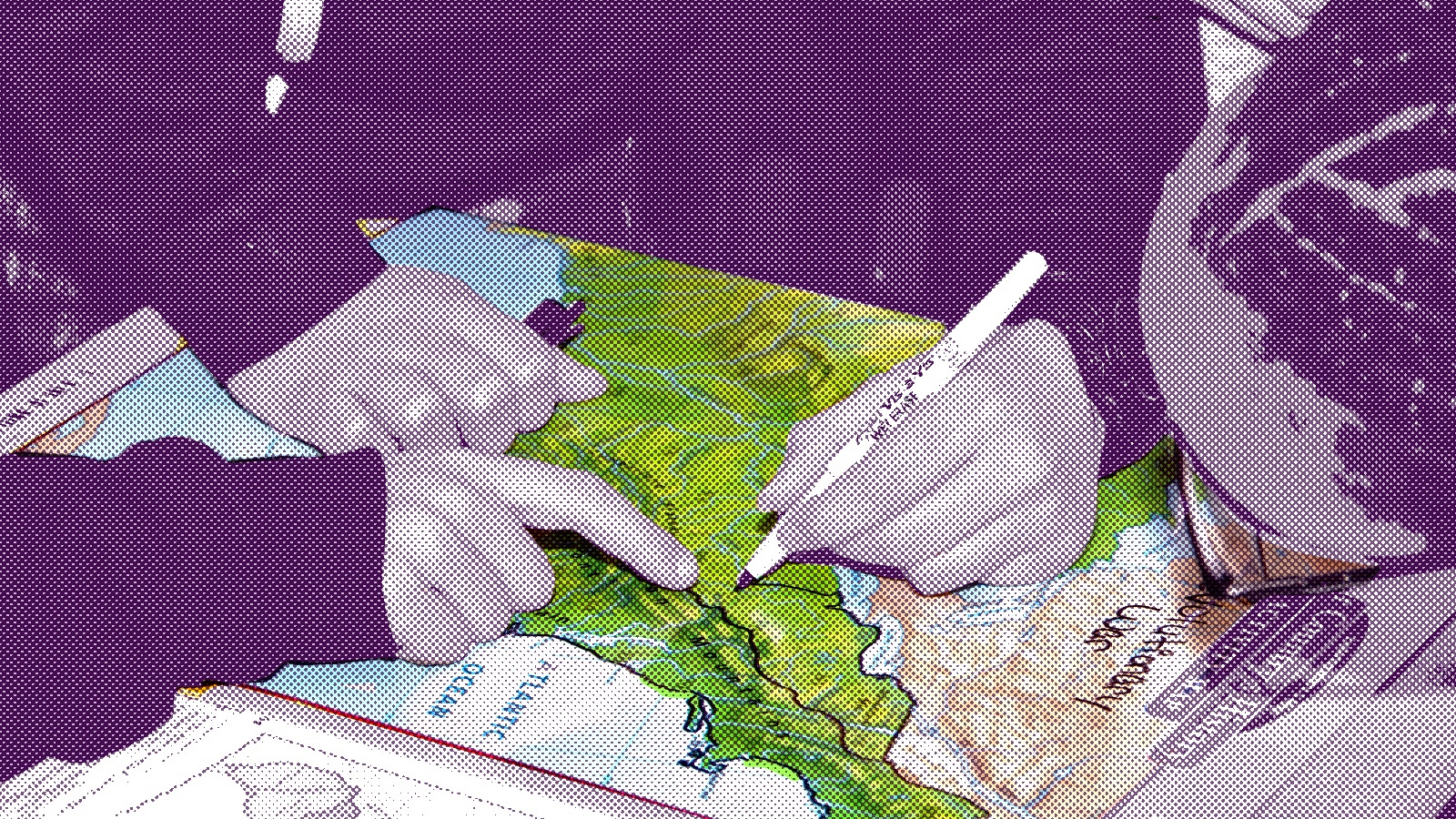
What to Look for in Excellent Hands-On Learning Resources
If you’re new to hands-on learning, or have used it for some time, you may be asking yourself, “What do I look for when selecting hands-on learning resources?”

How to Use Video Effectively in Your Social Studies K-12 Curriculum
Film Day! When I was in grade school and high school, “film day” was always great.
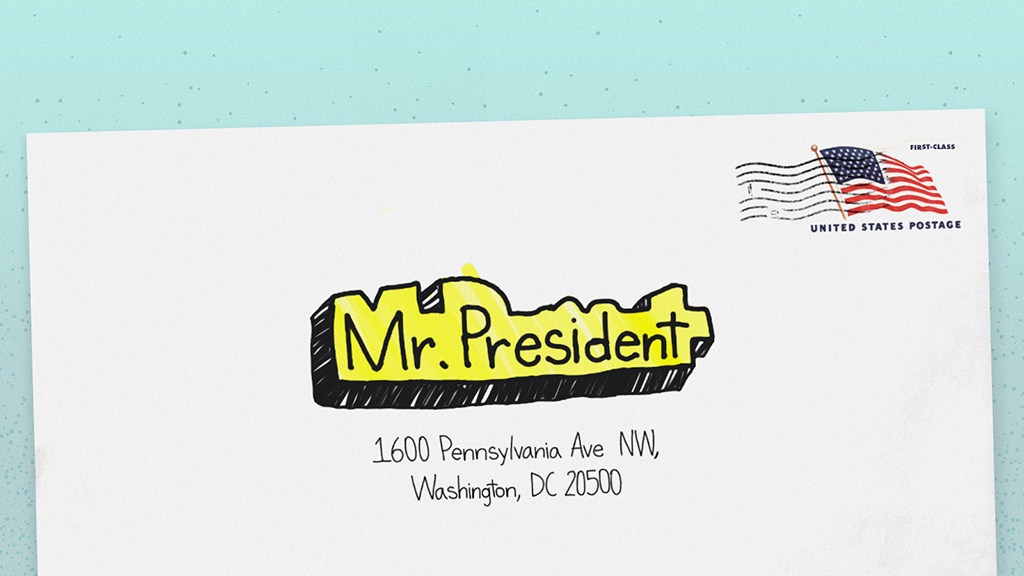
4 Guidelines for Inspiring Students to Take Informed Action on Current Issues
Many social studies teachers want to inspire their students to apply what they are learning in class outside of school.
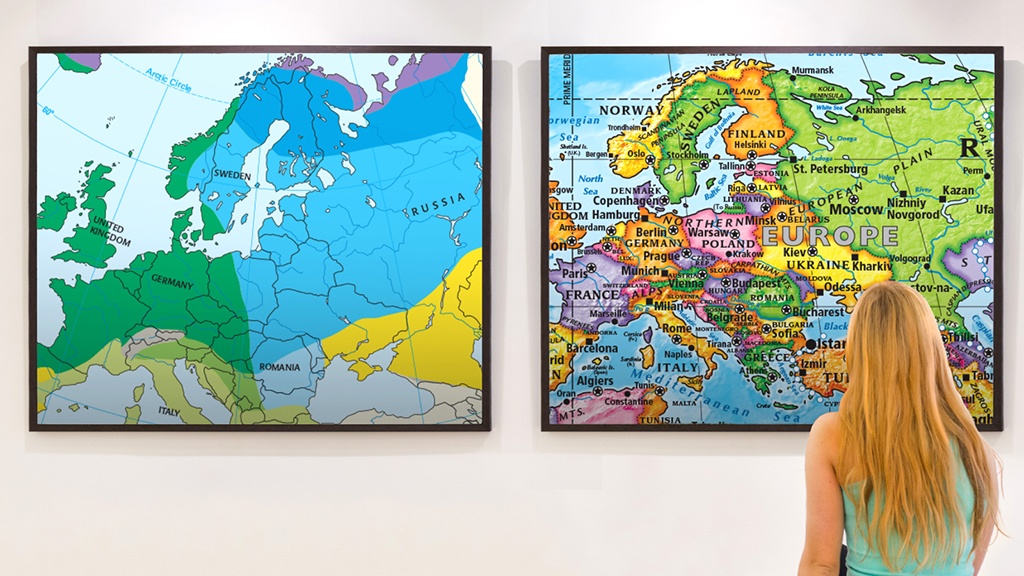
Engage Students in Geographic Analysis: The Map Gallery Walk
This geography activity makes maps applicable to student lives by getting students out of their chairs and interacting with the material.