Stay Up To Date

Introducing Primary and Secondary Sources in the Elementary Classroom
You are never too young to hold onto a piece of history and discover its connection to your life.

Making Socially Responsible Personal Financial Literacy Lessons
When I began teaching personal financial literacy, I learned quickly that my student’s perceptions, interpretations, and beliefs about money were very different from my own.

Leading with Purpose: Your First 5 Years as a Social Studies Coordinator
The 21st century has been a very interesting time for those of us who are responsible for the organization of a social studies program within a public school setting.
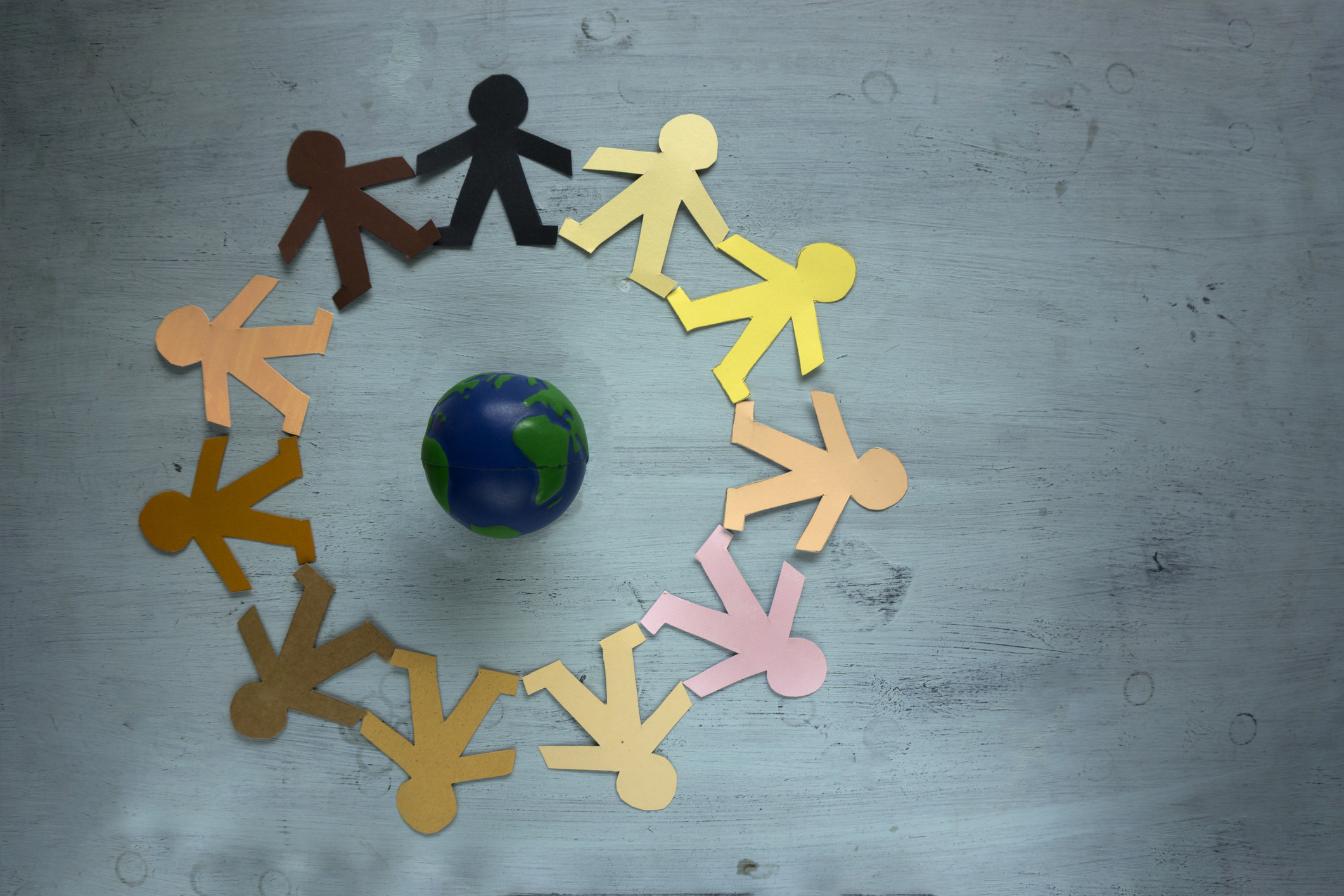
How to Ensure Inclusion in Secondary Social Studies Literature
Take a moment to think about all the ways we engage students inside and out of the classroom.

Picture Books to Expand Thinking in the Social Studies Classroom
Many of us think back to grade school and remember story time fondly.
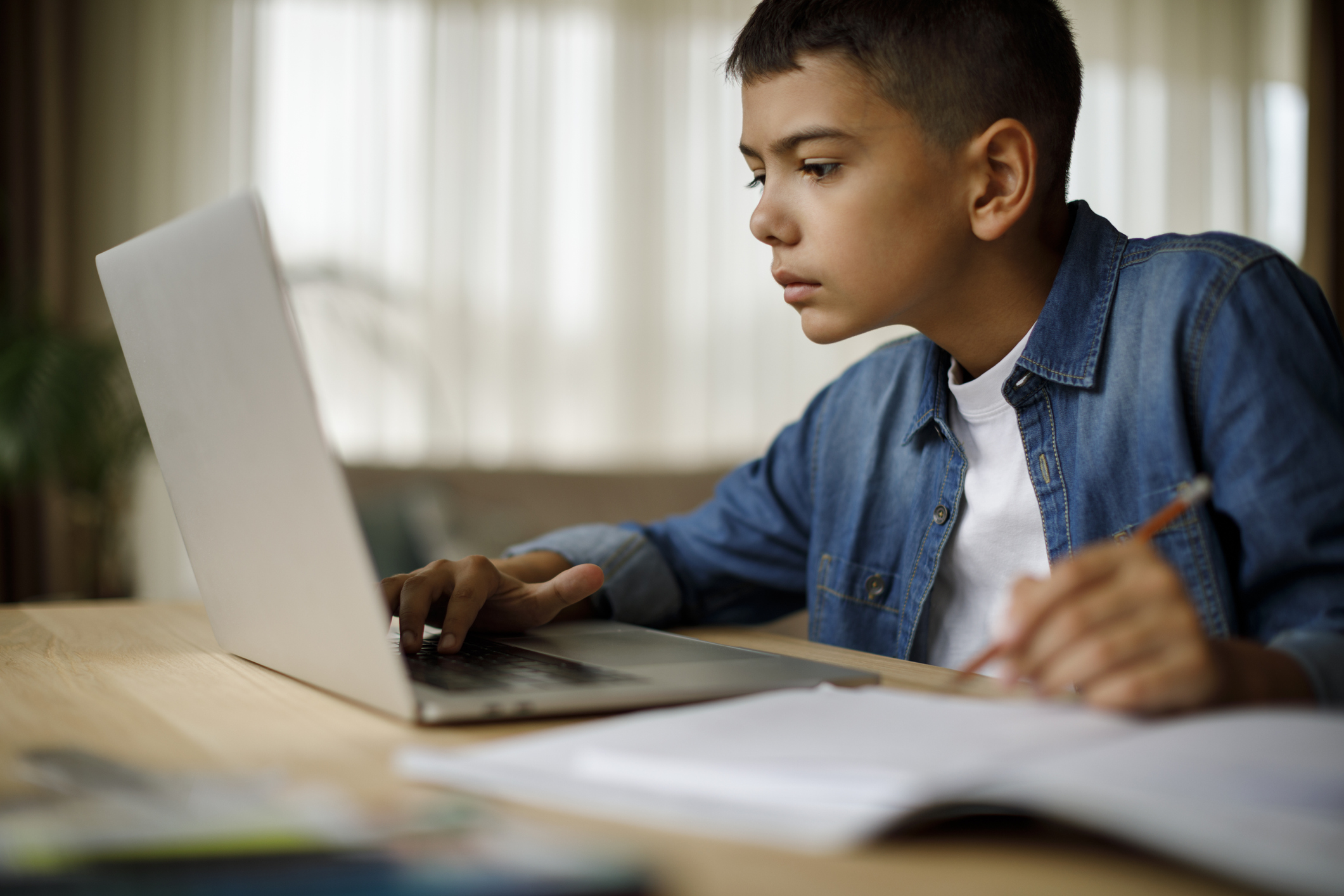
Collaborate and Problem Solve with Digital Social Studies Activities
As Social Studies educators, we look at our job as preparing our students to be active and productive citizens once they leave the educational setting.

Using Short Texts to Discuss Current Events and Sensitive Topics
In an era where it seems that every day comes with a “breaking news” headline, and where there is increasing scrutiny regarding what we talk about in our classes, it may seem like a challenge not worth accepting to work current events and controversial topics into our lessons.
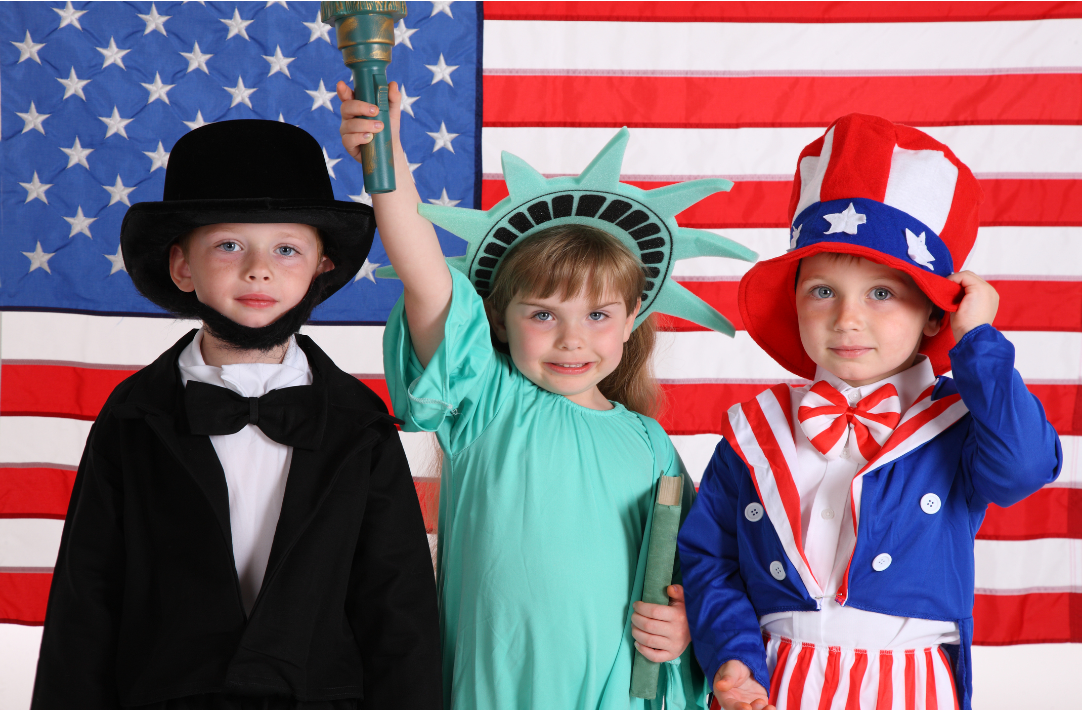
Brain Stimulation through Learning Simulations
One of my favorite memories from when I was a fourth-grade student was the day our teacher put us into groups and let us play in the sand.

Economical Ways to Provide More Professional Learning Opportunities for Teachers
Have your friends ever asked you, “Why do you always attend so many trainings?”
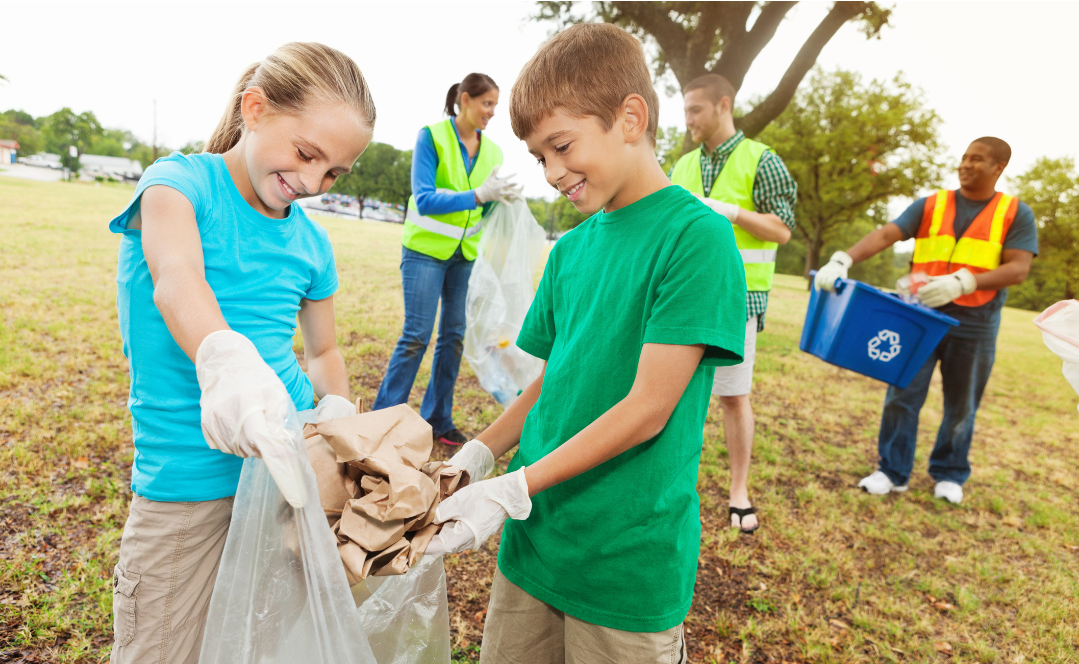
Building Classroom Community Through Service
The world has changed; many of us no longer feel comfortable and have yet to return to our pre-pandemic “normal.