Stay Up To Date

Teach Students Media Literacy with Historical Sources
Internet ads, YouTube videos, social media posts, blogs, emails, and TV infomercials feature questionable and downright dangerous health advice, treatments, and cures.
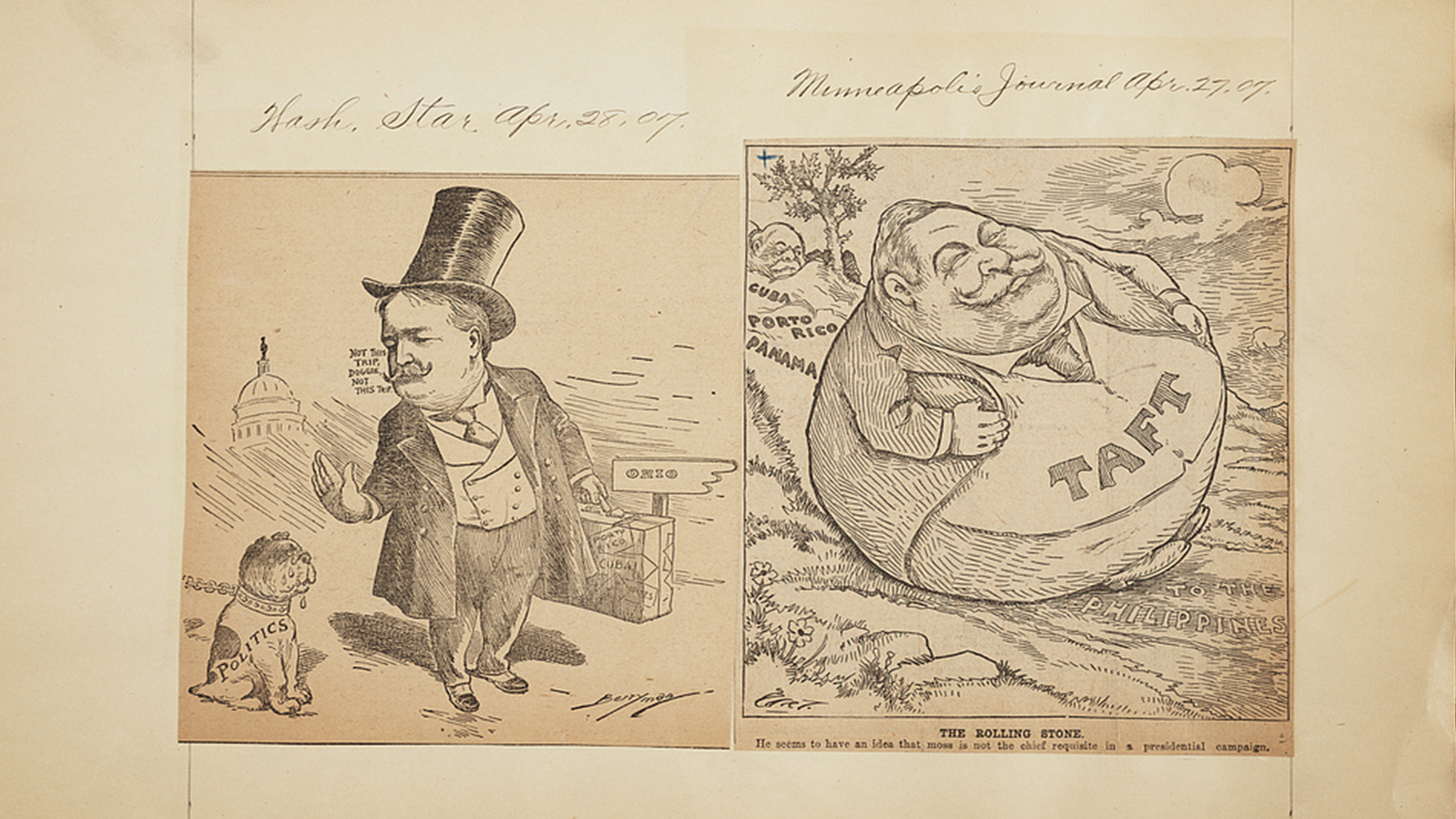
Symbol Scavenger Hunt: Hands-on Activities for Political Cartoon Analysis
Interpreting political cartoons can be a real challenge for many students in the classroom.

Compelling Essential Questions: Connecting the Dots for Our Students
Think back to when you were a young child, trying to connect the numbered or letter dots to figure out what the mystery image would be.
An Easy Guide for Teachers to Start Connecting With Their Students
How often do you step away from your social studies curriculum to get to know your students? Once a week? Once a month? Do you ever make specific plans or set aside specific time in your lessons to build meaningful, appropriate relationships with your kids?
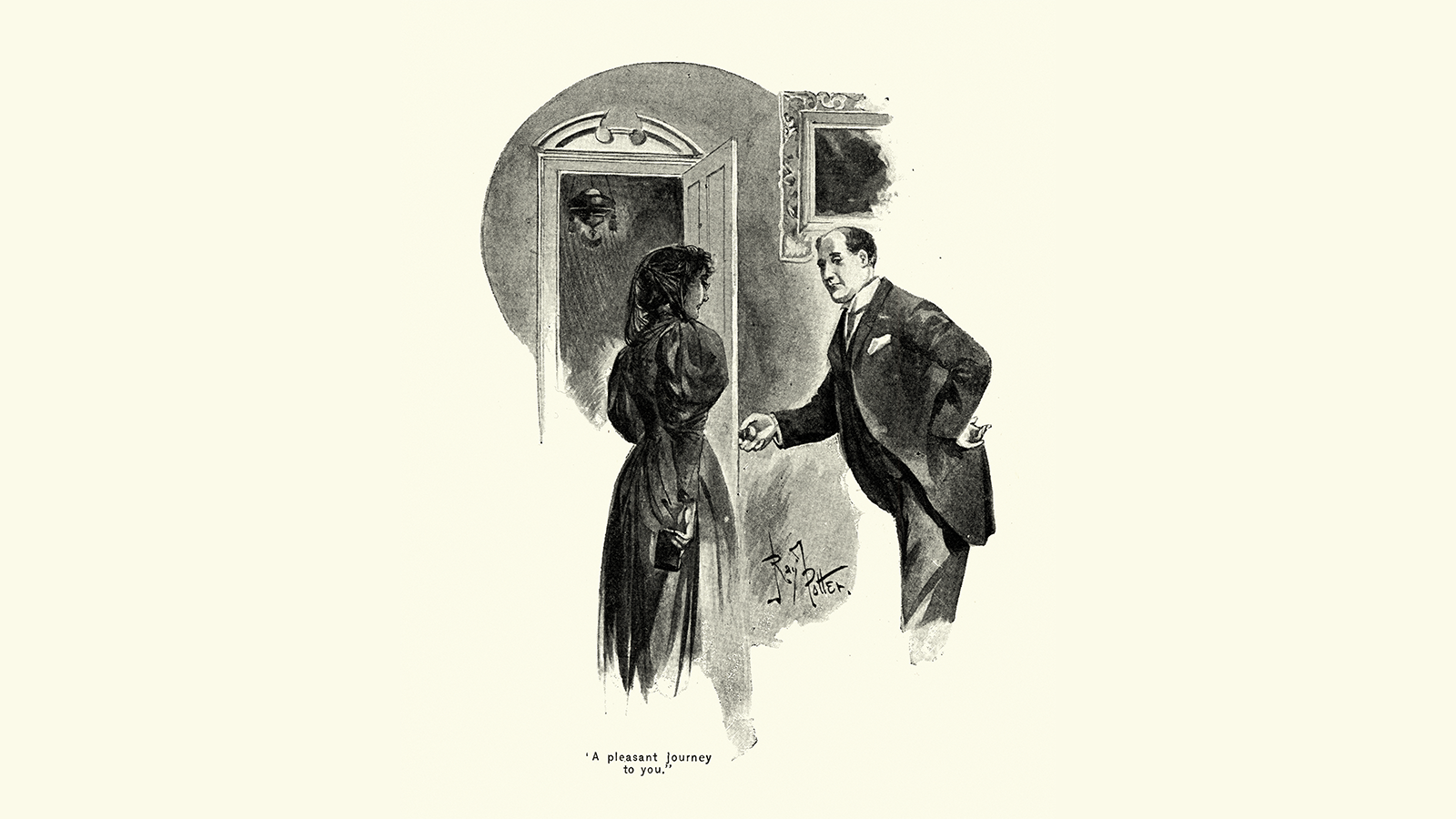
Using Etiquette Lessons to Discuss Culture and Analyze Primary Sources
Etiquette comprises rules to follow and manners expected of a person in social or professional situations.
5 Ways Teachers Can Address Socioeconomic Gaps in the Classroom
For my first permanent teaching position, I was lucky enough to fill a history position at a small K-8 school in a rural community.

The Power of Guided Play through a Narrative in the PreK Classroom
Young children understand stories and love to have books read to them often to the point that they memorize and can recite a favorite story from memory.
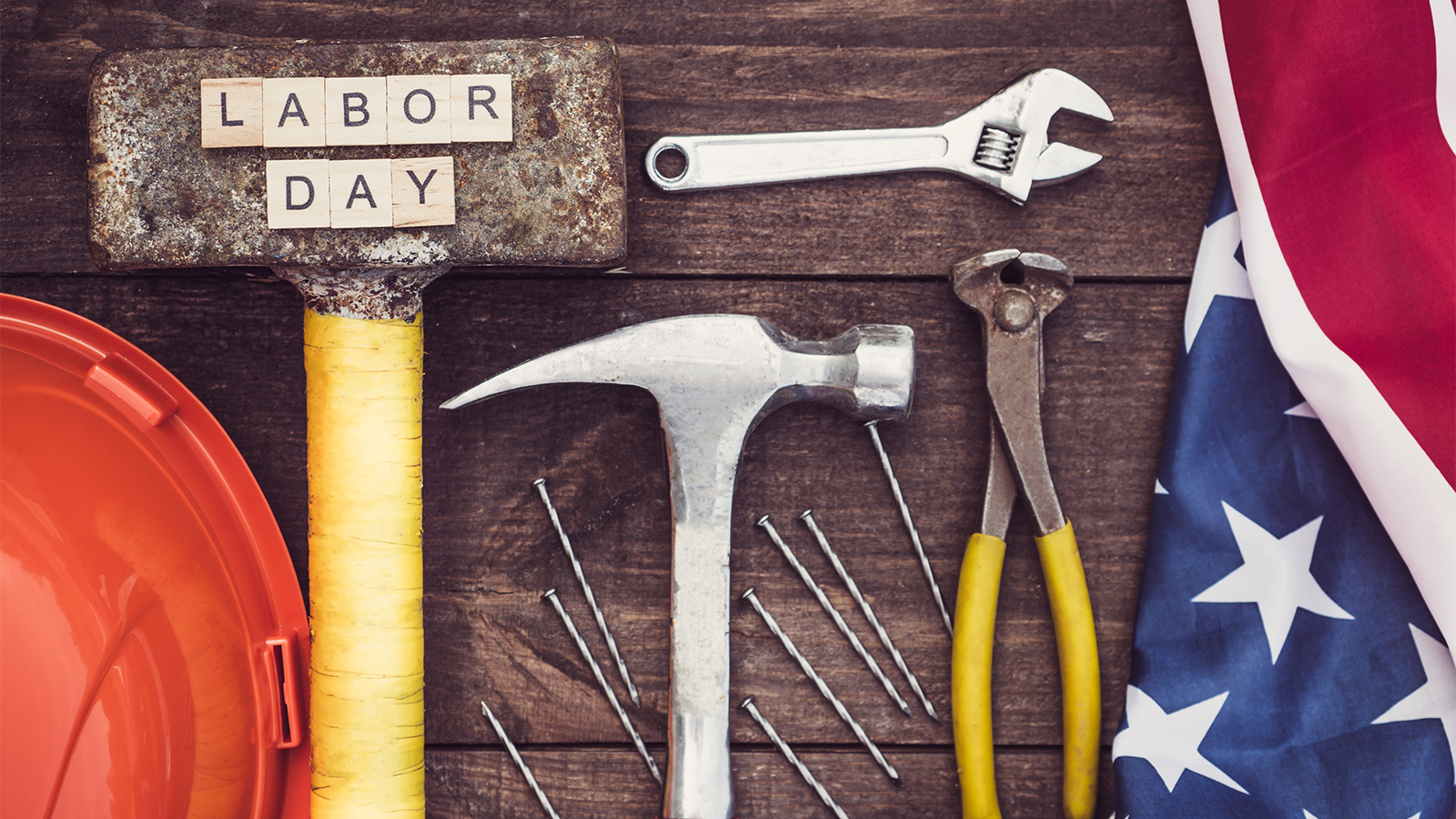
Help Your Students Think about Labor Day in a New Way
Labor Day commemorates the American worker on the first Monday in September.

Classroom Blogs: Your Easy Guide to Incorporating them into Lesson Plans
Do you purposely plan your lessons with your students’ “interests” in mind? If not, you should start doing so immediately.
10 Tips for New or Transitioning Teachers This School Year
This past school year, I transitioned from a K–8 school to a high school.