Stay Up To Date
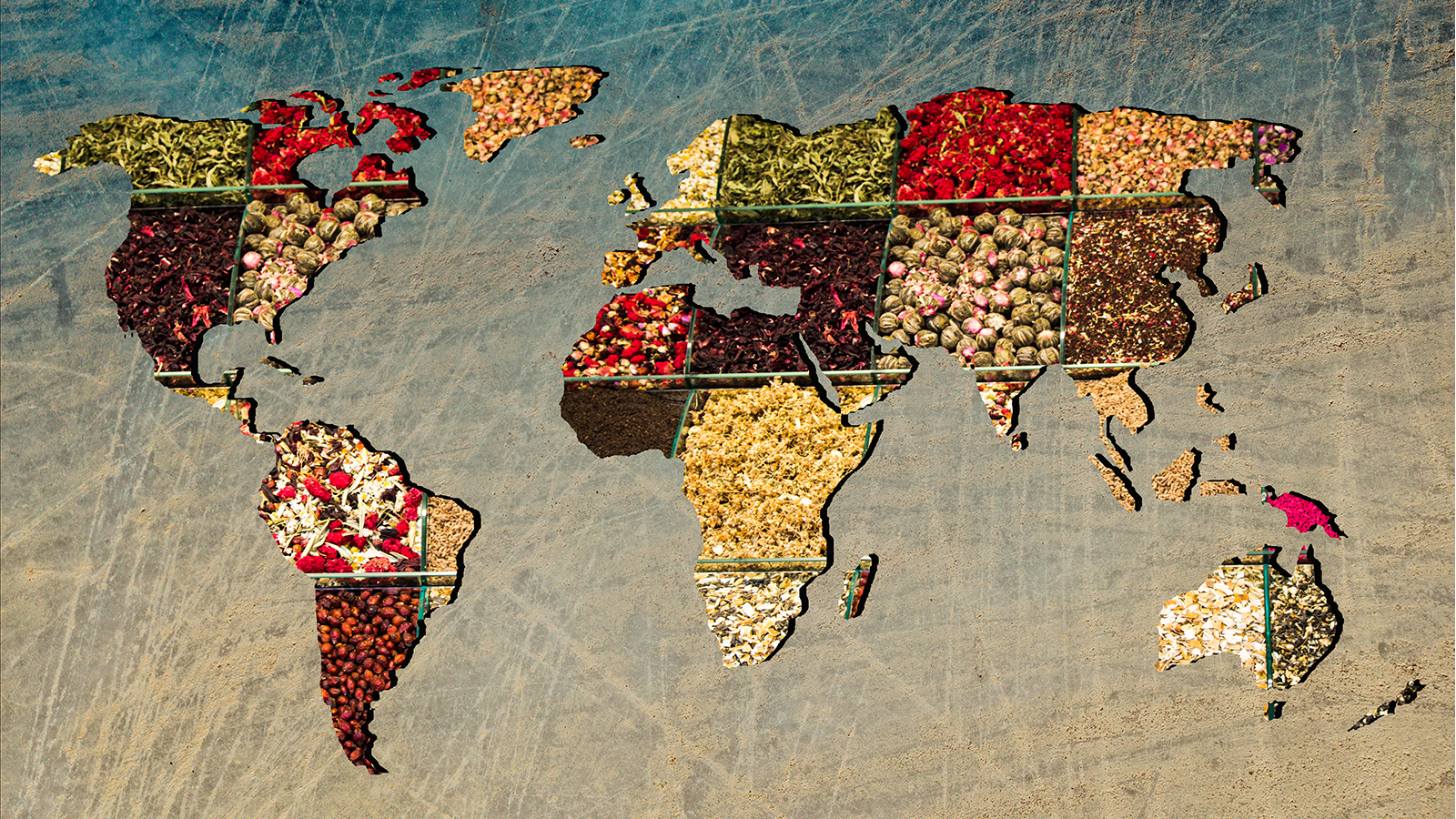
Social Studies Never Tasted So Good
When I taught first grade, a small grant allowed me to get funding to buy a hot plate, griddle, measuring utensils, pots, knives, bowls, cutting boards, and other necessities to introduce my students to flavors and aromas unknown to their senses.

Using Cinderella to Teach How History and Culture Change Over Time
The story of Cinderella is a timeless tale including elements of magic, misfortune, love, and the universal struggle of good versus evil.

Understanding Public Lands as a Way to Teach Geography
The public lands of the United States cover more than six hundred million acres and include national parks, national seashores, national wildlife refuges, wilderness areas, national forests, monuments, select lakes and seashores, underground mineral reserves, marine sanctuaries, historic and scenic trails, and national grasslands.

Honor and Teach September 11th in the Classroom
The twentieth anniversary of September 11, 2001, is this year, and although it is a sensitive topic to teach, coming together as a class to commemorate the event can lead to profound learning and impactful lessons in unity and empathy.
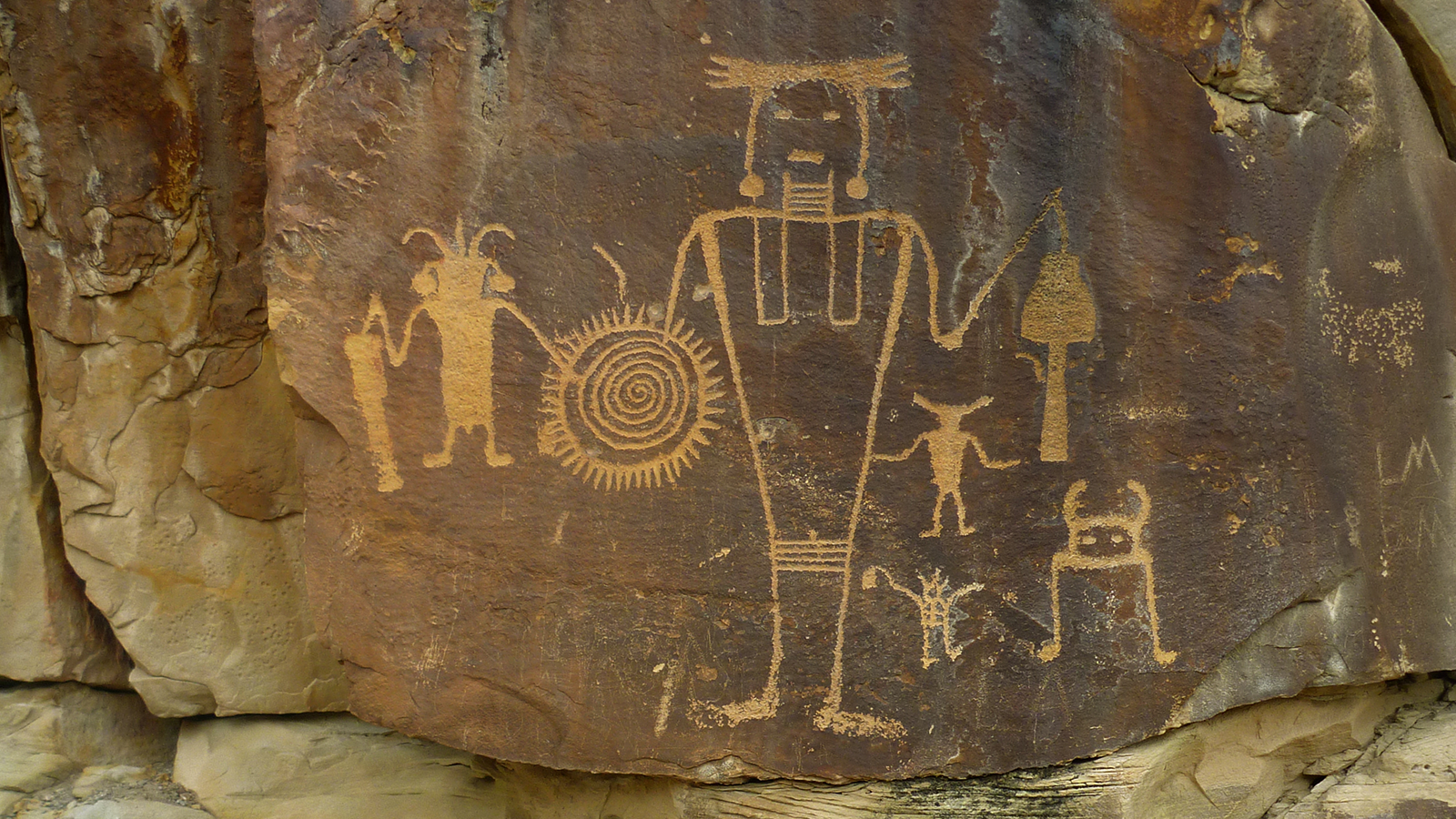
Teaching Geography and Culture Through Origin Stories and Myths
Why am I here? Where do I come from? Who am I? Questions like these are answered in part through stories handed from one generation to another.
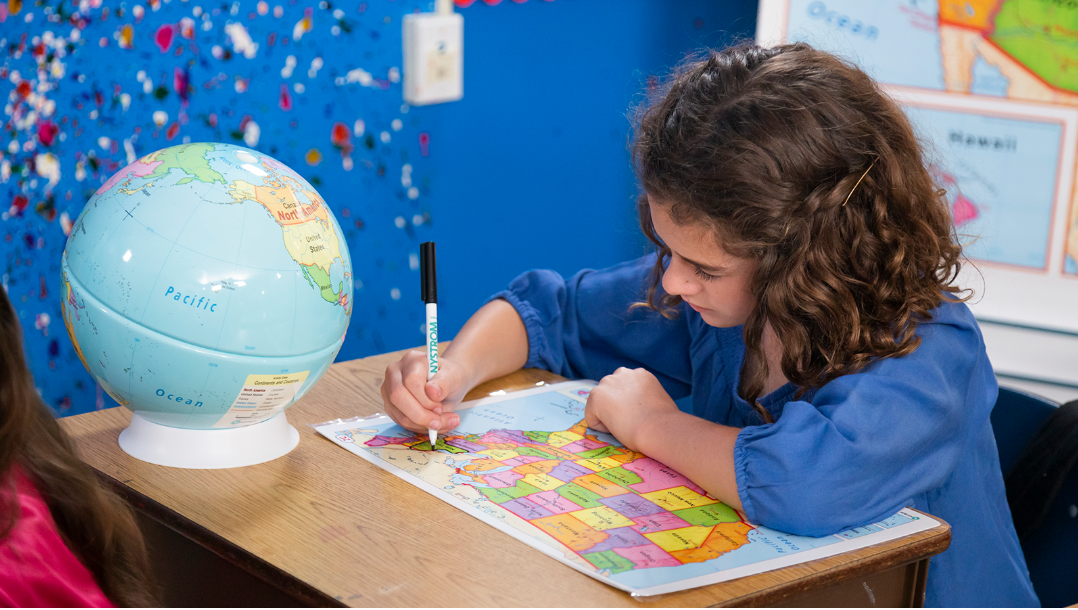
How to Apply Social Studies Best Practices to the Classroom
What are some best practices in social studies that teachers can apply to the classroom this upcoming school year?
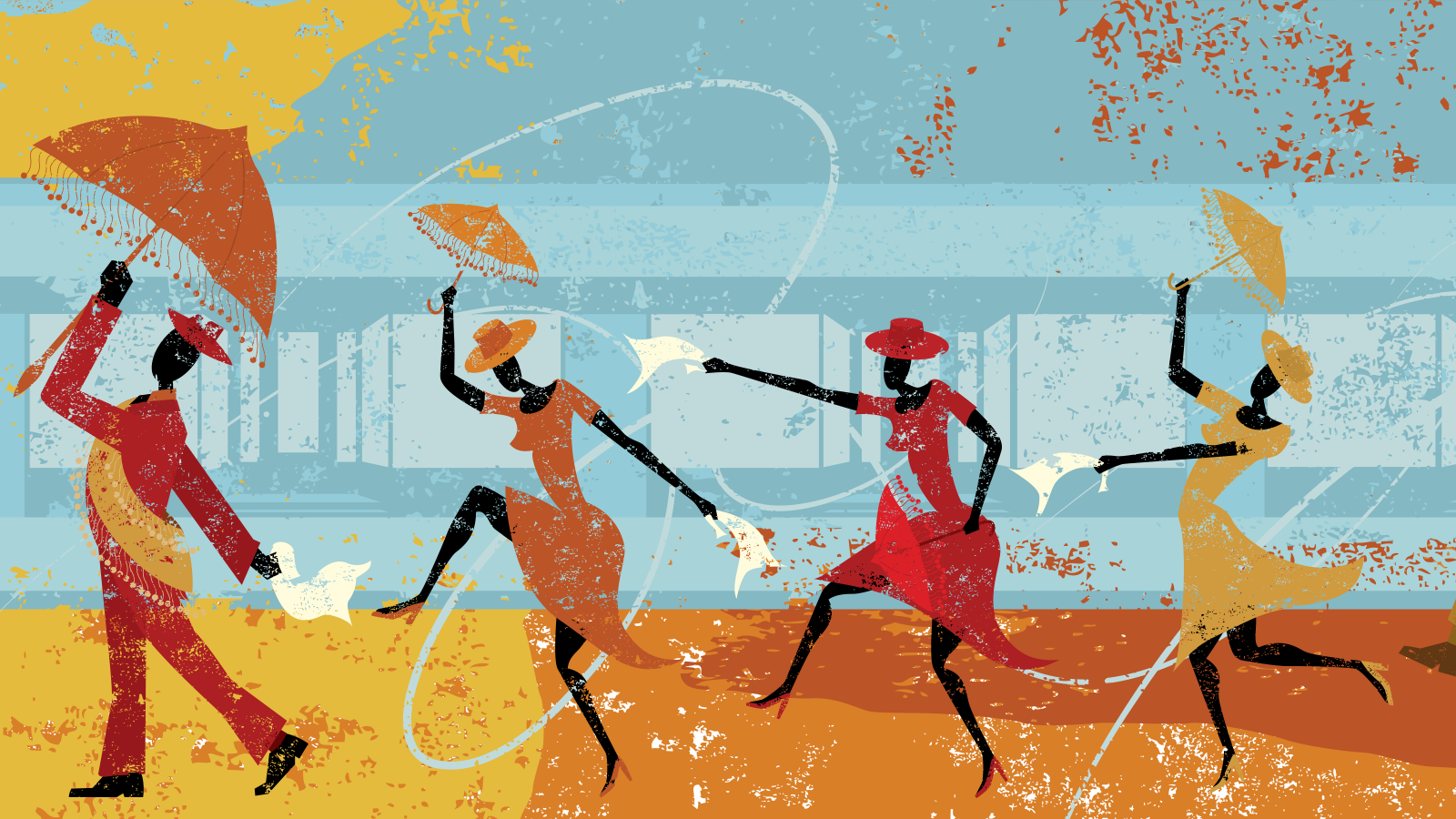
Teaching Cajun and Creole Culture through Folktales
There is a direct relationship between culture and folktales.
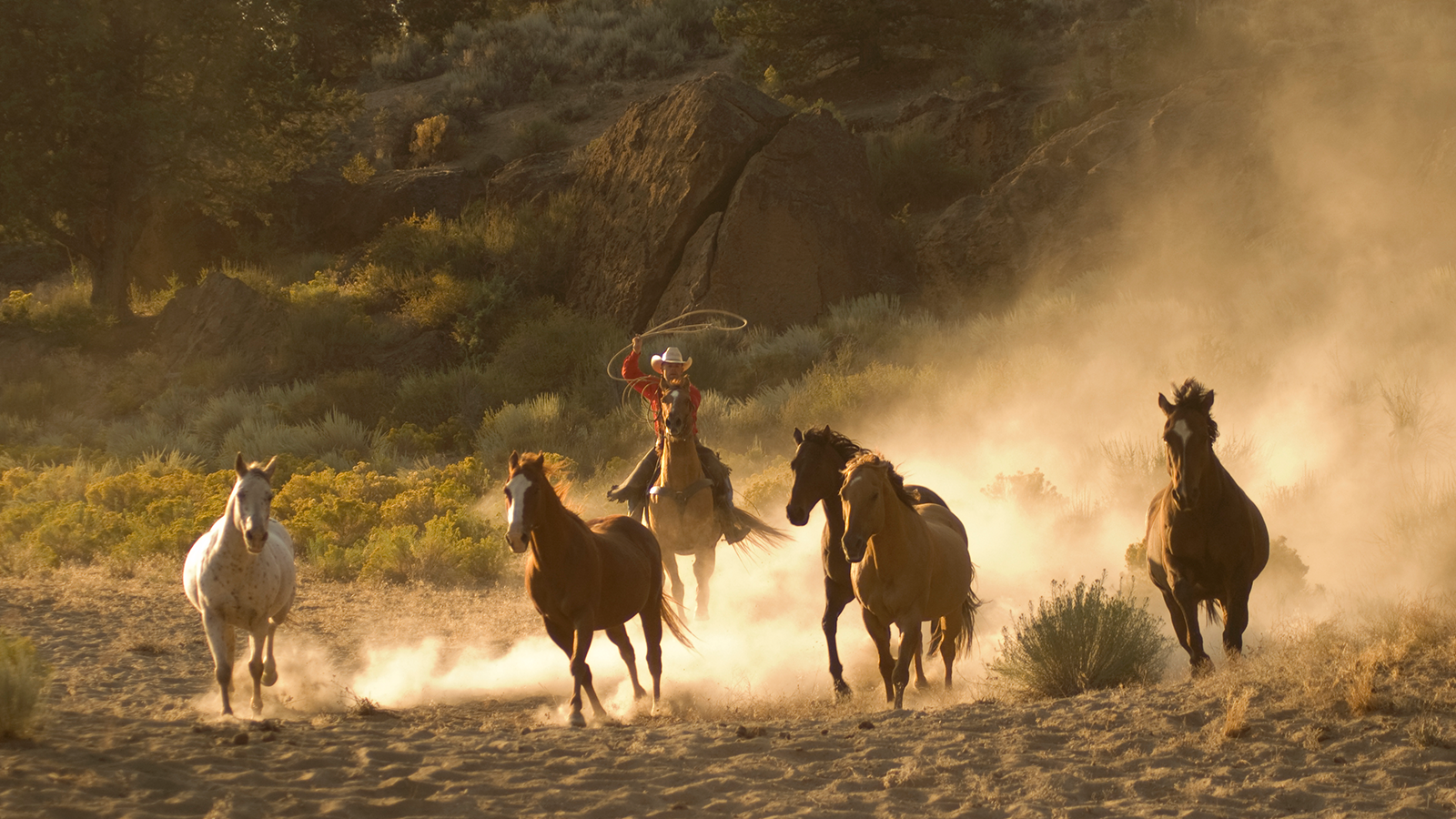
Teaching about the American West: Vaqueros
Cowboys are found in many countries around the world.
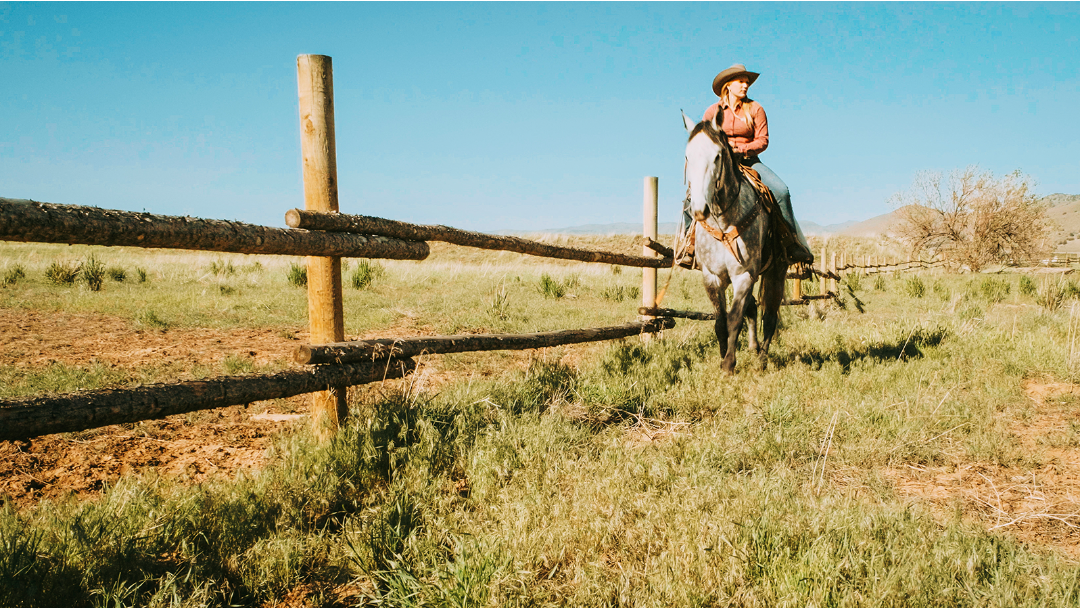
Teaching about the American West: Cowgirls
While their urban counterparts were restricted to more traditional female roles in the late 1800’s, women of the American West were roping and riding broncs.